
Published on
18 March 2026
AI
Travel
Bleisure
Corporate Travel
Leisure Travel
Duty of Care
Employee Wellness
Modern Employee
The shift from traditional corporate travel to the "bleisure" model is no longer a niche trend, turning busy business trips into mini-vacations is changing the way the whole world travels. This growth is proven by Allied Market Research who estimates a reach of $731.4 billion in bleisure travel globally by 2032.
Modern professionals, especially Gen Z and Millennials don't want to just "survive" a business trip anymore. They want to actually enjoy the places they’re visiting. By building in 48 hours to actually relax or visit a museum, employees come back feeling recharged and ready to work, rather than totally burnt out.
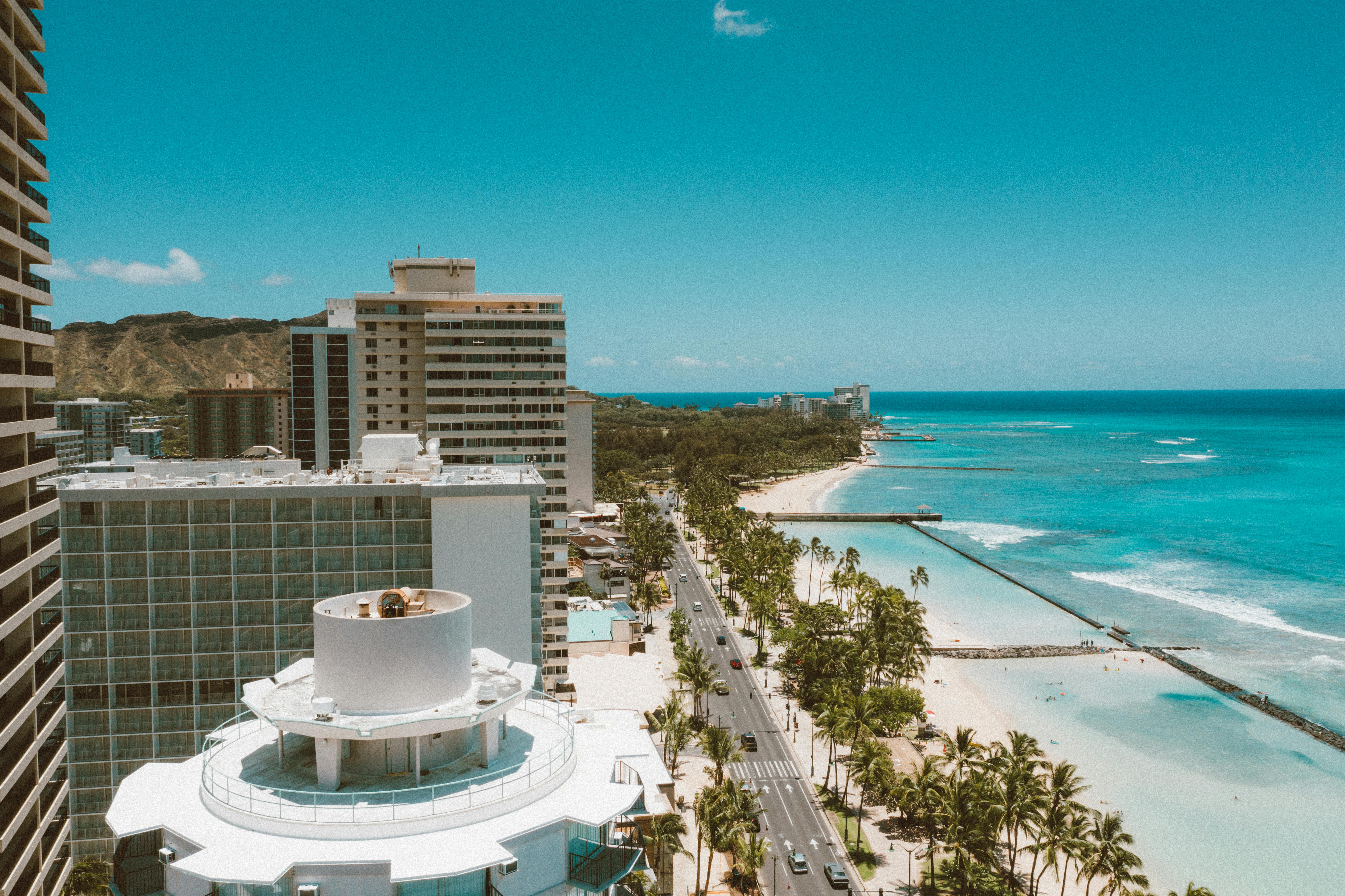
We're also seeing a massive jump in “plus-one” travel, where employees bring their partners or families along for the trip. Since the company is already paying for the flight, the employee just covers the extra hotel nights and meals. It’s a total win-win for keeping life balanced.

However, beneath the trend lies the major primary hurdle for travel managers: Duty of Care, the legal and moral obligation to keep employees safe. When an employee finishes their final meeting at 2:00 PM on Friday but stays until Sunday to go hiking in a remote area, the lines of liability and insurance become incredibly blurry.
The tension lies between safety and privacy. Modern employees want corporate support during an emergency, but they reject the constant location tracking during their downtime. They don't want the office knowing their personal Saturday night plans, yet they still expect a safety responsibility.
To solve this, companies are implementing a system where they ensure automatic check-ins. They send push notifications only if a verified threat or emergency occurs in the traveller’s vicinity. This way, they respect the privacy of their employees during their leisure time, but still make sure they are safe.
Did you know?
According to a report by SAP Concur, 96% of Gen-Z and 91% of millennial travellers are willing to spend their own funds on upgrades in business travel, whether it is higher-quality accommodation (41%), seating options (37%), or change switching to preferred airlines or hotels (32%).
While the "bleisure" idea sounds dreamy, the logistics can be a nightmare for both the employee and the HR department. How do you split a dinner bill when half the night was a client meeting and the other half was a personal celebration? How does HR track insurance coverage transitions without pestering the employee?
The real opportunity lies in a system that can actually differentiate between corporate and individual payments and responsibilities in real-time.


AUTHOR
Julie Hermans
Hi! It's Julie, co-founder and CCO at Cumbaya. I love diving into the latest trends in the travel-tech world. I share these insights with the hope that they spark new ideas and help you navigate an industry that's rapidly changing.
Essential Questions and Takeaways
Can we offer "Bleisure" as a performance incentive?
What happens if an employee brings a "Plus-One"? Who is responsible for them?
Does "Bleisure" actually cost the company more money?
Why is "Bleisure" now considered a top-tier retention tool?